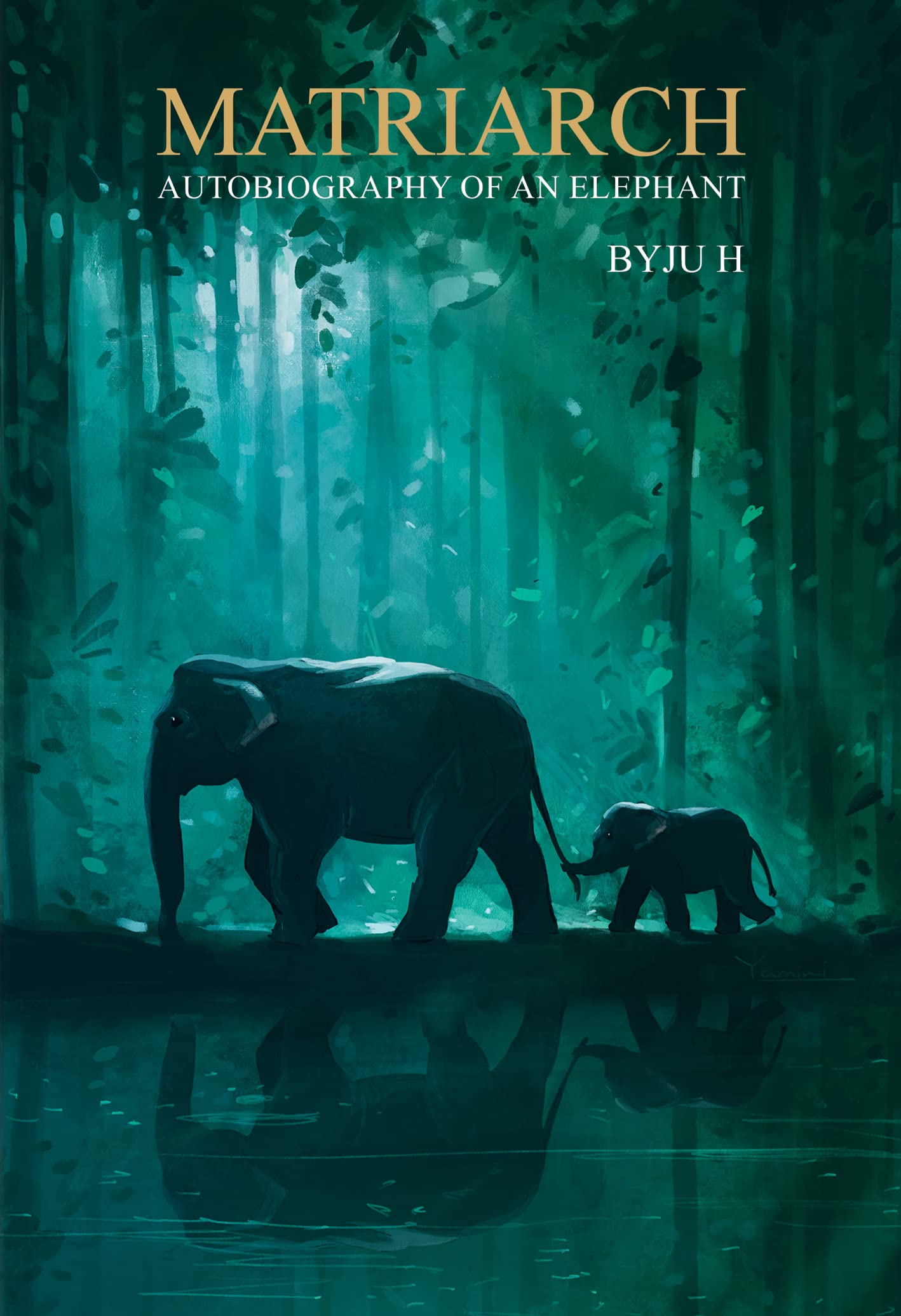
Matriarch: Autobiography of an Elephant
About the book
As sunshine filters through the canopy and langurs move across the trees, the day begins inside the jungle through the eyes of Banti, a sixty-year-old matriarch elephant of the Nilgiris. Matriarch hands the narration to her, and through her memory we follow a herd across a landscape being remade, streams that no longer run, forests pressed thin at the edges, and villages that now sit where migratory paths once ran.
The book grew out of questions the author kept meeting in the field: why are elephants entering human habitations in search of food, why are the streams inside the forest drying up, and what has triggered the sharpening human-elephant conflict? Rather than answer them in the language of a report, Dr. Byju H. answers them in Banti's voice, letting a life measured in decades reveal how quickly a home range can change.
Matriarch is illustrated throughout, pairing its first-person storytelling with drawings that place the reader inside the herd. It is a work of nature writing aimed at general readers, accessible enough for someone who has never walked in a forest, and resonant for anyone who has.
Why it matters
Human-elephant conflict is one of the most pressing conservation challenges in southern India, and it is easy to reduce to statistics. By narrating from inside the herd, Matriarch reframes the crisis as a question of shared landscapes: dwindling water, fragmented forest and the memory elephants carry of routes that no longer lead anywhere safe. It is a case, made through story, for protecting the corridors and catchments that keep both people and elephants out of each other's way.
Recognition
A passionate, first-person account that carries a researcher's field knowledge into a general reader's hands. The Hindu, feature on the book
Matriarch became the subject of an MA dissertation in English at St. Teresa's College (2024) and was featured by The Hindu. The author discussed the book in an interview on The Cue.
Frequently asked
What is Matriarch about?
When was it published, and by whom?
Where can I buy it?
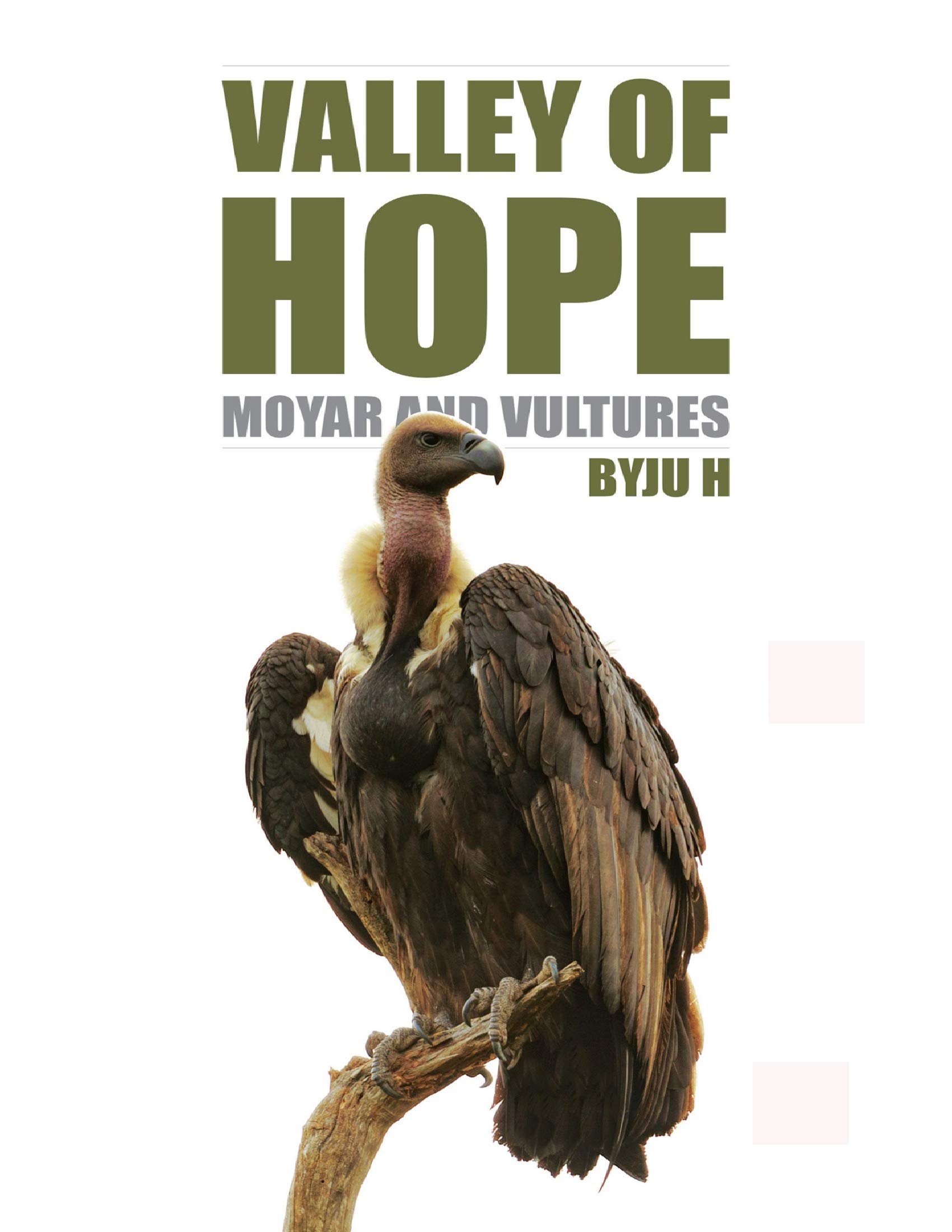 Also by the authorValley of Hope: Moyar and Vultures